Custom DVIRs that go beyond standard inspections
Optimize fleet compliance with custom DVIR solutions to streamline inspections, enhance visibility, and maintain regulatory...
Read more 5 mins to read


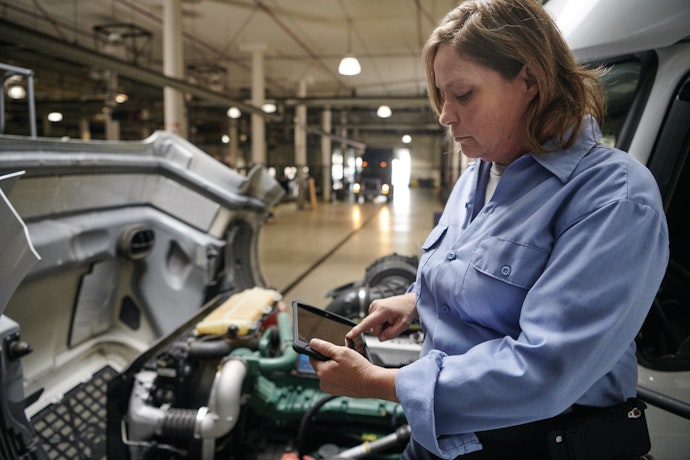
Proactive preventative maintenance, thorough pre-trip inspections, efficient driving routes and safety programs all impact the wear and tear of your vehicles. By providing extensive engine diagnostics, GPS fleet tracking solutions enable fleet managers to cultivate a program that allows them to reduce fleet maintenance costs and vehicle downtime and cuts back on excessive vehicle wear and tear, lowering the total cost of ownership and impacting the bottom line.
Implementing a fleet management solution isn't just about visibility—it’s about measurable mechanical preservation. Data from the Verizon Connect repository shows that fleets using telematics see up to 40% reduction in overspeeding and 22-49% less harsh driving1. These aren't just safety metrics; they are the primary indicators of your future maintenance spend.
Even top-of-the-line vehicles demand regular preventative maintenance. GPS tracking software that is part of in-vehicle monitoring systems (IVMS) can help you easily keep your fleet vehicles in top condition, thanks to valuable features that:
You can use an IVMS to help schedule preventative maintenance proactively, which helps reduce urgent repairs and keep drivers and vehicles from getting stuck on the road or at a job site. By tracking data on engine use, mileage and fluid levels and setting automated alerts, you’ll be reminded when preventative maintenance is coming due, so you know every vehicle is maintained properly.
Getting ahead of maintenance helps reduce issues from happening and keeps vehicles in tip-top shape. You can also maintain a detailed record of all preventative maintenance activities performed on a vehicle within a fleet tracking system so unnecessary work is not performed.
Regular vehicle inspections are essential for overall fleet maintenance and safety. Many fleets are required to fill out driver vehicle inspection reports (DVIRs) in compliance with government regulations. While these reports are vitally important, they are not always easy to manage through handwritten, bulky logbooks or paper forms that must be manually passed around between drivers, repair technicians and administrators. Getting all this data to regulators can also be a hassle.
But native, customizable electronic DVIRs that integrate with your fleet management software can make managing these forms easier and more interactive for employees so they don’t fly through the checklist.
Using electronic DVIRs is a surefire way to establish and enforce a standard driver procedure for pre-trip inspections. DVIRs can be completed electronically using a smartphone or tablet with features like photo requirements that force drivers to physically inspect the vehicle rather than speeding through the form.
Integrated DVIR solutions produce data through your fleet management dashboard so managers can more easily track how well their drivers fill these forms, identify issues and schedule service. All this important data allows them to help keep vehicles in good health.
GPS tracking allows you to cut down on vehicle wear and tear, thanks to efficient routing and better driver oversight. By refining your routing, you can reduce mileage, which can prolong the life of tires, belts and other key vehicle components.
For commercial drivers, truck GPS navigation software provides hands-on tools that reduce the stress of safely maneuvering a large vehicle through unknown territory. The benefits of efficient routing speak for themselves: fleet vehicles stay on the road longer, and items like fuel costs and tire costs are reduced, helping lower your fleet’s operating costs.
Explore how route planning software can reduce fuel costs for your fleet.
Monitoring and modifying driver behavior can also help reduce fleet maintenance costs. With driver management software you can identify hard stops, starts, speeding, aggressive driving behaviors and other poor driving habits that can cause breakdowns and other equipment issues.
Ultimately, the most cost-effective repair is the one that never has to happen. By bridging the gap between driver behavior and mechanical wear, you transform your fleet management from a reactive expense into a proactive strategy for longevity.
1 Aggregate Verizon Connect customer data

Tags: Cost control, Productivity & Efficiency, Routing, Vehicle Maintenance


Find out how our platform gives you the visibility you need to get more done.
Optimize fleet compliance with custom DVIR solutions to streamline inspections, enhance visibility, and maintain regulatory...
Read moreLearn more about Total Cost of Ownership (TCO) and why you should be calculating this metric for all of your fleets assets...
Read moreExplore our participation in the BAR Continuous Testing Program for government fleets in California.
Read moreVerizon Connect offers a comprehensive roadside assistance plan specifically designed for fleets of all sizes.
Read more