Asset tracking theft prevention and recovery
Learn more about anti-theft devices and theft recovery devices with Verizon Connect's GPS equipment asset trackers.
Read more 7 mins to read


Every time a vehicle leaves the yard, it carries risk with it. While employees may not think much of using a company vehicle to run a quick errand or make an off-hours trip, using a company vehicle outside approved work purposes, can expose the business to added cost and risk. Unauthorized use can range from employees making off-hours and/or personal use of company assets, all the way to theft. Any of which could potentially expose the company to legal and financial consequences if an incident occurs.
The cost of unauthorized use of a vehicle goes beyond wasted fuel and poor fleet security. It also accelerates vehicle depreciation through excessive mileage and increased wear and tears, and time spent on personal detours is time not spent on the job.
Fleet managers are increasingly taking measures to prevent fleet theft using sophisticated detection technologies that act as a constant, digital eye on their assets.
Geofencing vehicle tracking for boundary control: Geofencing works within fleet management software to set virtual boundaries that define the operational area of every vehicle. It then tracks the amount of time each vehicle spends in the designated area.
By setting up virtual perimeters around specific job sites, equipment yards or even residential areas, companies can receive instant notifications if a vehicle leaves a designated zone. Managers then receive near real-time geofencing alerts straight to their phone when company vehicles or assets are moved outside a virtual fence without authorization.
Off-hours and time-sensitive alerts: For more nuanced control of unauthorized use, managers can implement time-sensitive geofences which are only "active" during high-risk periods such as late nights or weekends. Ignition alerts instantly let you know if a key is turned—even if it’s 2:00 a.m. This ensures that any movement outside of standard operating hours is flagged immediately.
Identity verification: Driver ID verification lets you know that the right person is behind the wheel. Using key fobs or digital logging systems, every “event” is tied to a specific employee.
One of the fastest-growing forms of unauthorized use today comes from employees using company vehicles for side work. From delivery apps to independent contracting, “moonlighting” with fleet assets has become a rising risk—and one that often goes unnoticed without the right visibility. GPS tracking and time-based alerts give managers a practical way to detect side-hustle activity early, before unauthorized mileage, fuel spend and liability exposure quietly escalate.
This combination of location tracking, time-based alerts and identity verification creates a comprehensive fleet security plan that can combat unauthorized vehicle use across your entire organization.
Want to understand how asset tracking aids in fleet theft prevention? Read our buyers guide.
Small fleet costs can have a big impact on a business' bottom line and mounting expenses are often caused by small inefficiencies left unchecked, including unauthorized use of property.
Beyond risk mitigation, monitoring unauthorized use of vehicles is essential for protecting the accuracy of your payroll. Using electronic timekeeping reconciliation through their telematics solution, managers can compare “engine on" data directly against timesheets. This process prevents "timesheet padding," making sure drivers aren't starting their vehicles early, logging off late or billing the company for time spent on non-work-related travel.
This level of oversight also helps protect your fleet vehicles against avoidable wear and tear. Every mile driven outside of authorized routes accelerates vehicle depreciation and increases the frequency of unexpected maintenance—which can also lead to costly roadside breakdowns.
A key metric to remember is the "30-mile rule"—for every hour an engine spends idling (including for unauthorized side work), it sustains the equivalent of 30 driven miles worth of wear and tear. By reducing this unauthorized mileage, fleets can significantly extend the lifecycle of their vehicles and lower the total cost of ownership of each vehicle.
Equipment theft has major ramifications for businesses, carrying significant direct and indirect costs. Stolen trailers or heavy machinery can bring projects to a halt, trigger costly delays and damage customer trust. Insurance may cover some of the expense, but it rarely offsets the lost productivity or reputational harm.
With small, durable devices installed on equipment, managers can see where assets are and when they last moved and if the ignition has been powered on. By establishing unauthorized zones with geofencing, you receive an immediate notification the moment an asset is moved without permission. The visibility provided by telematics serves as a powerful layer of fleet security.
In the event of a vehicle theft, expediting recovery becomes the top priority. GPS fleet tracking provides law enforcement with precise, real-time location data for recovering stolen vehicles or expensive equipment quickly. This rapid recovery process not only increases the likelihood of returning the asset in good condition but also helps cut back on the downtime and replacement costs associated with a permanent loss.
For example, Verizon Connect uses precise mapping by Google Maps API and provides the minute-by-minute location of every fleet vehicle. "One of our trucks was recently stolen and our dispatcher was able to use Verizon Connect to give the police a live report of where the thief was driving," says Julie Hestand, General Manager of Concrete Coring Company. "Five police agencies became involved as the thief crossed through several suburbs."
A critical step in mitigating the legal and financial risks associated with unauthorized use is establishing formal company policies. Create clear, written guidelines that explicitly define “acceptable” versus “unacceptable” vehicle use.
Once your policy is in place, you must back it up with enforcement and coaching. Managers should utilize system-generated reports—such as geofence violations and off-hours alerts—to provide consistent driver coaching and, when necessary, take disciplinary action.
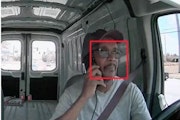
Want more on coaching? With the Verizon Connect video coaching solution, fleet managers can:
Effective fleet management requires companies to take proactive steps against unauthorized vehicle use. Controlling out-of-scope activities—whether it is personal use, side jobs or off-route deviations—directly protects your assets and long-term profitability.
To maintain a secure and efficient fleet, ensure your organization takes the following actions:
Your fleet’s best defense is already at your fingertips. Take a demo to see how our GPS tracking solutions provide the oversight you need to prevent theft and misuse.

Tags: Customer Service, Data & Analytics, Field management, Fleet utilization, Fuel cost management



Find out how our platform gives you the visibility you need to get more done.
Learn more about anti-theft devices and theft recovery devices with Verizon Connect's GPS equipment asset trackers.
Read moreVerizon Connect provides valuable insight into tracking remote and mobile fleet assets with a wide range of gps tracking...
Read moreLearn how fleet management solutions can help overcome these obstacles for better efficiency and performance.
Read moreA complete and intuitive tracking solution makes it easy to keep your assets working, secure and ready for the next job.
Read more