Using video AI to reduce risk and liability
Learn to Reduce Risk & Liability with AI-Powered Video for Fleets
Read more 9 mins to read


Is your fleet facing more industry pressures than ever before? You might be dealing with rising costs, heightening safety expectations and mounting fleet liability risks. For commercial fleets of all sizes, risk management is the backbone of safer operations, financial stability and long-term business resilience. But traditional fleet safety programs often rely on reactive driver coaching and post-incident reviews, which don’t make the cut in our modern, complicated day-to-day.
Successful companies follow a structured fleet risk management process that allows them to clearly define risks, evaluate their severity, proactively plan for them and take corrective action when necessary. Whether you’re running five vehicles or 500, understanding how to manage risks in fleet management is essential for staying competitive and operating responsibly.
Fleet risk management is a systematic process for identifying, assessing and mitigating the operational, financial and safety risks associated with owning and operating a commercial fleet.
It encompasses everything from preventing crashes and unsafe driving behaviors to reducing equipment downtime, managing regulatory obligations and protecting the organization from liability. By taking a structured approach to risk, fleets can improve community safety, protect their company’s reputation, reduce costs and stay ahead of regulatory compliance.
Effective fleet risk management matters for organizations of all sizes — from large commercial vehicle operators and enterprise fleets to small and mid-sized businesses in high-stakes industries like trucking and distribution, field service, construction and public safety. At its core, fleet risk management requires integrating the four pillars of fleet performance — safety, compliance, efficiency and maintenance — that create a foundation that supports everything else your fleet needs to succeed.
To manage risk, fleets first need to understand where it comes from. There are four major factors to consider:
Risk #1: Collisions. Collisions are a major, expensive liability for any fleet, and one of the biggest contributors to this risk is unsafe driver behavior, including speeding,1 distracted driving,2 rapid acceleration and harsh braking.
Risk #2: Staying compliant on the road. Government regulations are constantly changing, and new mandates are being introduced that can impact fleets from top to bottom. Violations tied to Hours of Service (HOS), vehicle inspections or DOT/FMCSA standards can lead to steep fines, out-of-service orders and damage to your company’s safety rating and reputation.
Risk #3: Unplanned vehicle downtown and maintenance issues. When small maintenance issues go unnoticed or necessary repairs aren’t scheduled proactively, vehicles can break down at the worst possible times. This leads to increased maintenance costs and lost efficiency — which can also impact overall customer satisfaction.
Risk #4: The financial strain of rising costs. Everything is already pricier these days, and when expenses are spiraling out of control, it may also be a symptom of underlying risks. Some of the costs to keep an eye on include fuel consumption, insurance premiums and maintenance fees.
How can your fleet combat the risks outlined above and start taking control of unnecessary risk (and costs)? Use a systematic, repeatable approach based on proven methodologies for fleet risk management analysis. There are five stages of fleet risk management:
Fleets also benefit from aligning their efforts to those pillars of fleet performance, including safety, compliance, efficiency and maintenance. Let’s discuss the role that integrated technology has in addressing each of these pillars within the five stages.
Is your fleet risk reaching a tipping point? Identifying risks is the first step, but knowing when to move from manual tracking to an automated solution is critical for protecting your bottom line. Use our guide to spot the 8 Important Signs That You're Ready for Fleet Vehicle Tracking.
Implementing an integrated fleet management solution is the most effective way to turn a fleet risk management analysis into action. Technology can give you data focused on human factors, not just vehicles. You can then turn that information into coachable driver safety moments, creating awareness of risky driving behaviors and helping to curb dangerous and wasteful behaviors like speeding, harsh braking and hard cornering.
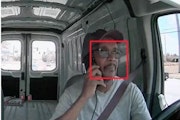
AI video that gives you the whole story: Video solutions like dashcams — especially when backed by artificial intelligence (AI) mining all that footage for key moments — should be a core feature of a modern fleet safety program. An integrated system that seamlessly provides telematics, driver- and road-facing video data in a single platform offers a host of safety-related benefits to businesses, including:
Using technology to stay compliant: Using integrated GPS fleet tracking technology in conjunction with an electronic logging device (ELD) can help improve the accuracy of trip scheduling to keep drivers within legal hours of service (HOS) limits. Electronic DVIRs make it easy for drivers to check off each inspection item on a digital form (customized to suit the vehicle or equipment type) and then digitally sign to confirm they have completed the inspection.
Proactive vehicle and asset health: Maintenance technology further supports risk reduction by turning vehicle health into a proactive process. With real-time diagnostic trouble codes (DTCs) and automated service reminders, fleets can schedule repairs before equipment fails. This can mean less vehicle downtime, improved fuel tracking and economy, and greater mileage on warranties overall.
Fleet risk management looks slightly different in every industry, but the same core pillars of fleet success – safety, compliance, efficiency and maintenance – apply across the board. Here’s how high-risk sectors can put these principles into practice with integrated fleet management solutions.
Once you put a fleet risk management plan in place, the next step is tracking its impact. Alerts via fleet management software help bring key issues to the surface as they happen. These notifications give you the data you need to quickly address driver safety issues and reduce risk. With fleet management solutions, you can:
What metrics should you track to confirm your risk strategy is working? Fleets typically measure improvements through key performance indicators such as:
The fleets that thrive in today’s environment aren’t the ones waiting for something to go wrong. Top fleets are using technology and structured processes to get ahead of risk — preventing accidents, compliance and maintenance issues and ultimately lowering operational costs.
For fleets ready to implement a unified strategy like the one outlined above, a platform like Verizon Connect Reveal is specifically designed as a single, comprehensive risk mitigation system. The solution combines AI-powered dashcams, ELDs, compliance automation and maintenance diagnostics all into one powerful platform ready to help you mitigate risks in fleet management.
Ready to explore how a fleet management system can benefit your fleet? Schedule a demo today.
2 NHTSA Distracted Driving Factsheet
3 Aggregate Verizon Connect customer data

Tags: Cost control, Safety, ELD & Compliance, Vehicle Maintenance, Productivity & Efficiency


Find out how our platform gives you the visibility you need to get more done.
Learn to Reduce Risk & Liability with AI-Powered Video for Fleets
Read moreLearn how comprehensive commercial roadside assistance service plans help reduce risks by offering fast, reliable service...
Read moreCosts were another driver for change. Alongside high insurance premiums, fuel costs, and maintenance expenses, technicians'...
Read moreLearn how you can develop a robust fleet safety program that ensures your drivers, vehicles, and business stay protected.
Read more