Emergency service fleet management for first responders
Discover how fleet management solutions help emergency services improve response times, reduce costs and enhance public...
Read more 4 mins to read


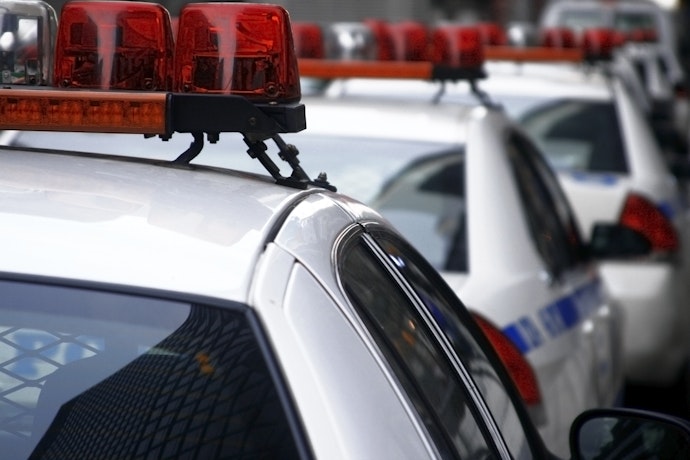
From patrol cars to pursuit vehicles to interceptor SUVs, law enforcement agencies have demanding expectations for their fleets. They’re frequently driven under incredibly harsh conditions and often in potentially dangerous circumstances, much more so than the average daily driver. These fleet vehicles also need to accommodate large amounts of police equipment, be durable enough to perform reliably through long patrol shifts in challenging situations, and respond quickly and effectively in pursuit.
In addition, law enforcement agencies are being bombarded with a plethora of new vehicle models and technology options, including next-generation engine technology, bigger and more versatile platforms, semi-autonomous and robotic cars, and built-in WiFi connectivity, just to name a few.
To help them address these challenges both in the near and long term, more law enforcement agencies are turning to fleet management solutions. The right telematics technology can help protect both officers and the public they serve in three critical ways:
The safety of officers and the public they serve is a top priority for every law enforcement agency. In 2025, 34 law enforcement officers died from traffic-related incidents, according to the year-end report from The National Law Enforcement Officers Memorial Fund.1
An added risk is that being behind the wheel of a police vehicle also means having to multitask, including answering dispatcher calls, typing names, license plate numbers or other search queries on dash- or front-seat-mounted laptops and keeping track of speeding vehicles or other disturbances in their vicinity.2
The right fleet management solution can support police officers as they navigate these daily challenges, helping to meet a number of critical safety standards by:
Law enforcement vehicles are subject to wear and tear far above the norm, which can require costly maintenance, repairs and part replacement. Budget-strapped police forces must get the maximum number of miles and service out of each patrol car, but it shouldn’t be at the expense of those operating the vehicles, often at high speeds.
Telematics can help increase efficiency while lowering operational expenses by enabling fleet managers to:
Fleet operators who maximize the potential of a fleet management solution can enhance vehicle utilization. Fleet management solutions provide real-time vehicle stats and usage data that allow fleet managers to:
Make sure you select a telematics system that helps you meet the specific needs of your law enforcement agency today—and is nimble enough to help you adapt to tomorrow’s challenges.
Look for a solution that offers:
Sources
1 https://nleomf.org/wp-content/uploads/2026/01/2025-EOY-Fatality-Report-RGB_FINAL.pdf
2 https://www.government-fleet.com/159907/a-sure-bet-for-reducing-distracted-police-driving

Tags: Cost control, Data & Analytics, Dispatching & Scheduling, Field management, Fleet utilization, Fuel cost management, Productivity & Efficiency, Routing, Safety, Team Management, Vehicle & asset security, Vehicle Maintenance


Find out how our platform gives you the visibility you need to get more done.
Discover how fleet management solutions help emergency services improve response times, reduce costs and enhance public...
Read moreReveal helps protect law enforcement officers and improve fleet visibility.
Read moreThis buyer’s guide will provide the information you need to decide on a solution that is just right for your public sector...
Read moreFleet management technology offers substantial public safety, environmental, and efficiency benefits. Successful implementation...
Read more